Part 3: Evidence-Based Agronomic & Pre-Emergent Guidance
Managing invasive grassy weeds across residential lawns requires understanding weed lifecycles and utilizing evidence-based turfgrass management strategies.
- Applying Pre-Emergent Herbicides at the Right Time: The most effective defense against annual grassy weeds is applying pre-emergent herbicides in early spring when soil temperatures reach 50°F to 55°F (10°C to 13°C) for three consecutive days. Pre-emergents form a chemical barrier that inhibits seed germination before sprouts break the surface.
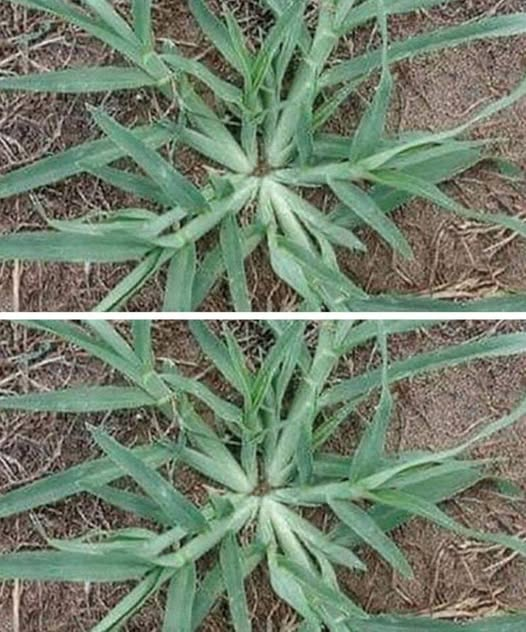
- Targeted Post-Emergent Selectivity: Once annual grassy weeds have established multi-tiller rosettes, selective post-emergent herbicides (containing active ingredients like quinclorac or fenoxaprop) can target the weed specifically without harming surrounding lawn grasses like Kentucky Bluegrass, Fescue, or Perennial Ryegrass.
- Overseeding to Establish Turf Density: A thick, healthy lawn is the single most effective biological control against weed intrusion. Overseeding thin areas during the fall establishes dense turf canopy, leaving no bare soil or light for opportunist weeds to colonize the following spring.
- Consulting Local Agricultural Extension Services: For persistent weed infestations or identifying unknown turf diseases, consult regional university agricultural extension services. These organizations provide region-specific soil testing, weed identification, and environmentally responsible pest management plans tailored to your local climate.