Part 2: Practical Lawn Habits & Debunking Weed Myths
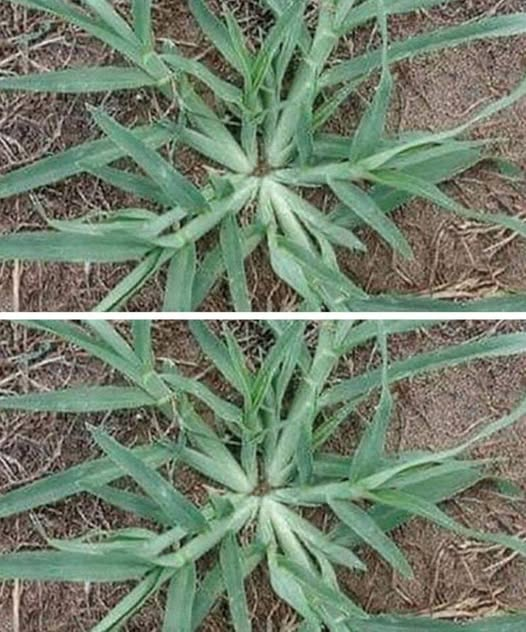
Eliminating tough, rosette-forming lawn weeds safely relies on proper turf maintenance and physical removal techniques rather than relying on viral “miracle” home sprays.
- Improve Soil Aeration and Drainage: Goosegrass and crabgrass thrive in heavily compacted soil. Core aeration softens compacted earth, opening paths for turfgrass roots to grow deeply and naturally outcompete shallow-rooted weed species.
- Mow at Optimal Heights: Mowing your lawn too short (“scalping”) exposes the soil surface to sunlight, triggering dormant weed seeds to germinate. Maintaining a turf height of 3 to 4 inches shades the soil, blocking the light required for crabgrass seeds to sprout.
- Hand-Pull Early in the Season: Pull young grassy rosettes early in spring before they develop seed heads. Removing the central taproot before it flowers prevents a single plant from scattering thousands of viable seeds into the lawn.
- Debunking the “Salt and Vinegar Miracle Spray” Myth: Viral gardening channels frequently promote spraying high-concentration vinegar and salt mixtures to “permanently kill weeds.” While acetic acid burns top leaves, salt damages long-term soil chemistry and fails to destroy deep roots, leaving the plant free to re-sprout while ruining surrounding turf health.
