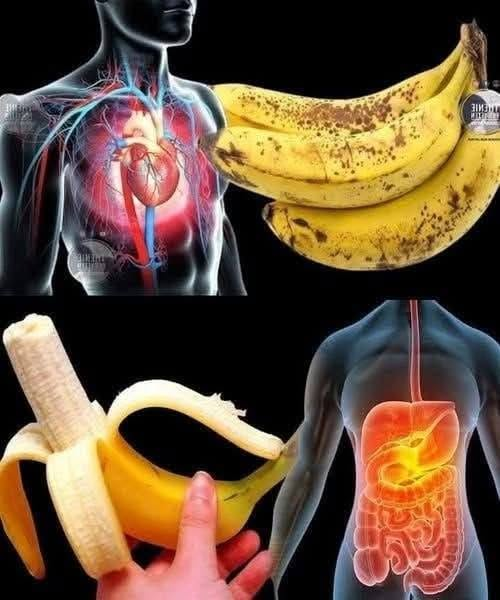
Social media platforms are saturated with sensationalized health graphics pairing glowing anatomical models—such as radiant hearts and digestive tracts—with ripe versus spotted bananas. These viral posts exploit dietary fixations to drive high engagement, shares, and ad impressions.
- The Engagement Farming Strategy: Content creators use dramatic biological illustrations juxtaposed with everyday fruits to imply immediate, curative health effects. By asserting that a specific stage of banana ripeness holds “secret anti-cancer properties” or “cures heart disease,” these posts compel users to save, share, and debate the claims in comment sections.
- The Biological Reality of Banana Ripening: As a banana ripens, enzymes break down complex starches into simple sugars (glucose, fructose, and sucrose), while chlorophyll degrades, giving way to yellow pigments and brown age spots. The overall caloric content remains roughly identical; the primary shift lies in carbohydrate structure and physical digestibility.
- The “Tumor Necrosis Factor” (TNF) Myth: A long-standing viral myth claims that dark brown spots on ripe bananas contain “Tumor Necrosis Factor” (TNF), a biological protein that actively fights cancer cells. In reality, TNF is a complex cytokine produced by the mammalian immune system; bananas do not produce human immune signaling proteins, and fruit spots are merely oxidation driven by polyphenol oxidase enzymes.
