Part 3: Evidence-Based Appliance & Chemical Safety Guidance
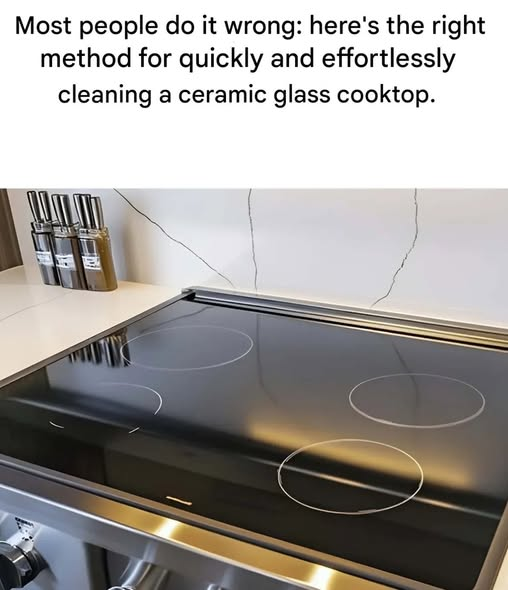
Preserving the structural integrity and aesthetic appearance of ceramic glass requires understanding material limits and safe chemical application.
- Avoiding Severe Thermal Shock: Never spray cold water or cold liquid cleaners onto a hot glass cooktop. Rapid temperature drops induce extreme localized thermal stress, which can crack or shatter the underlying ceramic glass structure.
- Chemically Avoiding Glass Corrosion and Pitting: Avoid using harsh ammonia-based window sprays, undiluted chlorine bleach, or heavy-duty oven cleaners on glass-ceramic surfaces. These chemicals contain aggressive caustics that chemically etch into the glass coating over time, causing permanent cloudiness and irremovable hazing.
- Managing Sugary Spills and Plastic Melts Immediately: If sugar, syrup, jam, or plastic foil packaging melts onto a hot burner, turn off the heat immediately and carefully scrape the molten residue off while the surface is still warm using a razor scraper (wearing oven mitts for safety). Allowing sugar to cool and harden on glass creates molecular bonding that pulls out glass flecks when removed.
- Consulting Manufacturer Maintenance Standards: Always check the care guidelines provided by your appliance manufacturer (such as Schott Ceran specifications). Using approved non-abrasive cooktop cleaners and dedicated scraping tools ensures long-term durability without voiding appliance warranties.