Part 3: Evidence-Based Laboratory Testing & Regulatory Standards
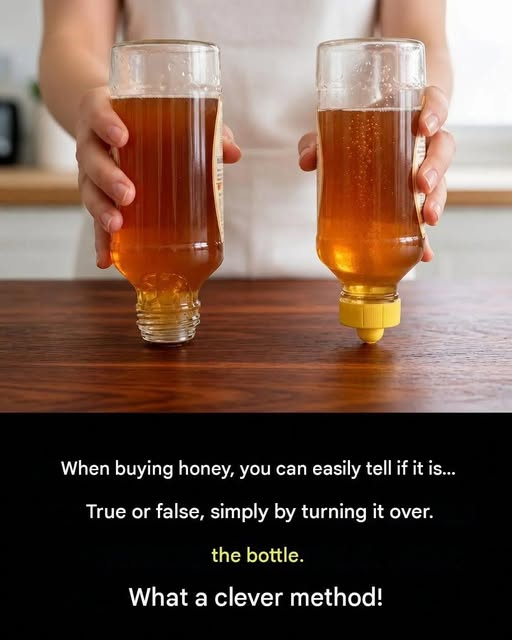
Authenticating honey and detecting sophisticated food fraud requires advanced analytical chemistry methods rather than simple physical visual tricks.
- Isotope Ratio Mass Spectrometry (IRMS): Food testing laboratories use Carbon Stable Isotope Ratio Analysis (C-13 IRMS) to detect C4 plant sugars (derived from corn or sugar cane syrups) added to honey derived from C3 plants (nectar-producing flowers).
- Nuclear Magnetic Resonance (NMR) Spectroscopy: NMR profiling analyzes the molecular “fingerprint” of a honey sample, detecting synthetic sugar syrups, ultra-filtration, chemical markers, geographic origin, and botanical source with high precision.
- Pollen Analysis (Melissopalynology): Microscopic evaluation of pollen grains within unrefined honey allows palynologists to verify both the geographic origin and specific floral sources declared on product labels.
- Government and Codex Alimentarius Standards: Regulatory bodies like the FDA and USDA enforce strict compositional standards defining pure honey (preventing added water, sweeteners, or chemical additives). Look for third-party quality certifications or official origin seals when purchasing commercial honey products.