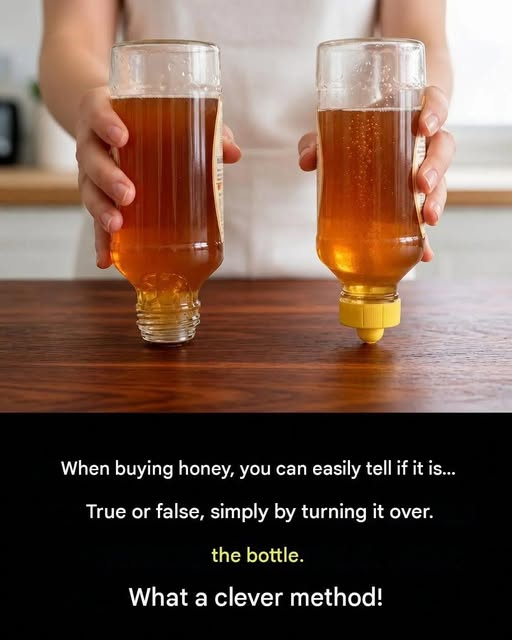
Part 2: Practical Kitchen Habits & Debunking DIY Purity Myths
Relying on kitchen “tests” to verify honey purity leads to false confidence, as most internet hacks test basic physical properties rather than chemical composition.
- Recognize the Limits of “Inverted Bottle” and “Water Drop” Hacks: Internet myths claim that pure honey forms a “solid drop” in water, doesn’t absorb into paper towels, or creates a specific “memory pattern” when shaken in water. In reality, these phenomena simply reflect low moisture content and high viscosity, which artificial corn syrups easily mimic.
- Understand Natural Crystallization: Pure, raw honey naturally crystallizes over time as glucose precipitates out of solution. Crystallization is actually a reliable physical indicator of real honey, but it depends heavily on floral source (such as clover versus acacia) and storage temperature.
- Buy from Trusted Local Beekeepers: The most effective practical step to ensure honey purity is purchasing directly from local, reputable apiaries, cooperative farms, or certified organic producers with transparent supply chains and traceable harvesting practices.
- Debunking the “Bubble Test” Fallacy: Air bubbles rise quickly in warm or slightly diluted honey, and slowly in cold, dense honey. A slow-moving or fast-moving bubble tells you only how thick or warm the liquid is, completely failing as a metric for authenticity.
