Part 3: Evidence-Based Culinary & Health Care Advice
Managing your diet and kitchen efficiency requires separating sound nutritional science from viral social media exaggerations. Relying on verified food preservation techniques ensures maximum nutrition and flavor retention.
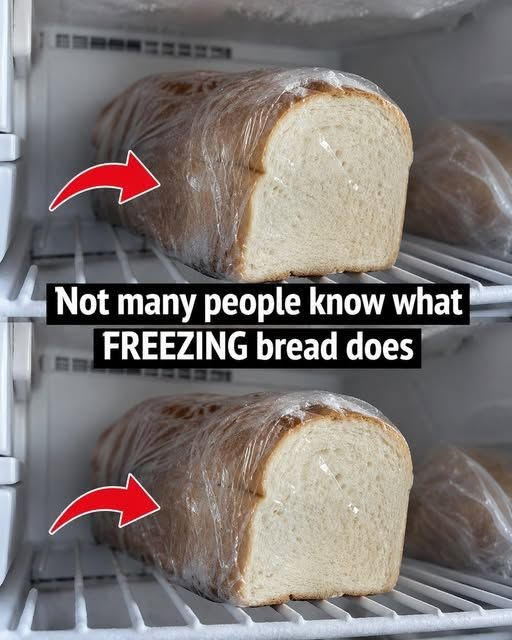
- Thawing and Re-Crisping Techniques: To restore frozen bread slices to peak texture, place them directly into a standard toaster or toaster oven straight from the freezer. The rapid heat melts ice crystals and re-gelatinizes the retrograded starches, returning the crumb to its original soft interior with a crisp crust.
- Balanced Carbohydrate Nutrition: While freezing bread increases resistant starch content slightly, it does not magically turn a refined white loaf into a nutrient-dense whole grain. For sustained energy and gut health, pair frozen whole-grain or sourdough breads with lean proteins, healthy fats, and abundant plant fiber.
- Preventing Mold Exposure: Commercial factory bread contains preservatives to slow down mold growth at room temperature, but fresh artisanal or homemade bread lacks these additives. Freezing artisanal loaves immediately after baking and cooling prevents harmful mold spores from developing without relying on chemical additives.
- Consulting Nutrition Professionals: If you are managing blood sugar conditions like Type 2 diabetes or insulin resistance, consult a registered dietitian or healthcare provider for personalized meal planning rather than relying on viral food hacks alone.