Part 2: Practical Daily Habits & Debunking Food Myths
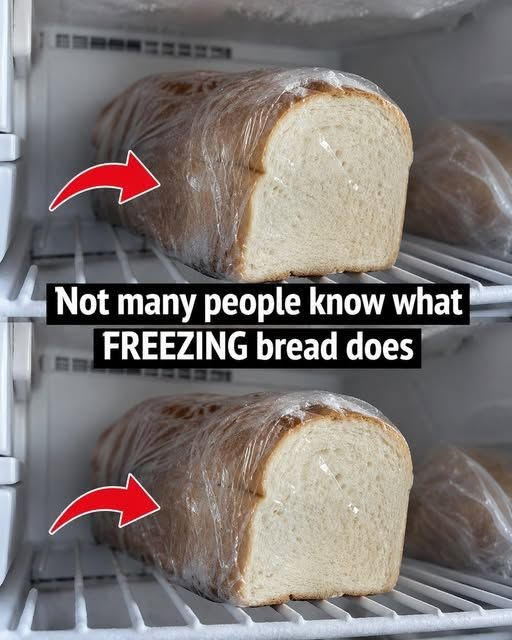
Freezing bread is one of the most effective, science-backed methods to eliminate kitchen food waste, preserve freshness, and even slightly lower the glycemic impact of carbohydrates without resorting to unnecessary kitchen gimmicks.
- Slice Before Freezing: Pre-slicing a whole loaf prior to placing it in the freezer allows you to pull out individual slices as needed, preventing the need to repeatedly thaw and refreeze the entire loaf—which ruins crumb structure and introduces excess ice buildup.
- Wrap Tight to Prevent Freezer Burn: Store bread slices in an airtight freezer bag or wrap them tightly in plastic wrap to minimize air exposure. Unprotected bread will suffer from sublimation, causing water loss and dry, discolored patches known as freezer burn.
- The Retrograded Starch (Resistant Starch) Benefit: Freezing and subsequently reheating bread alters its starch structure, transforming a portion of rapidly digestible starches into resistant starch. Resistant starch resists digestion in the small intestine, acting like dietary fiber that yields a slightly lower blood glucose spike compared to fresh white bread.
- Avoid Storing in the Fridge: Leaving bread on the middle shelf of a standard refrigerator is the quickest way to make it tough and dry. Always choose either room-temperature storage for short-term consumption (within 3–5 days) or full sub-zero freezing for long-term preservation.
