Part 3: Evidence-Based Clinical & Urological Guidance
While most color shifts are benign or hydration-related, certain persistent hues warrant standard medical diagnostic evaluation.
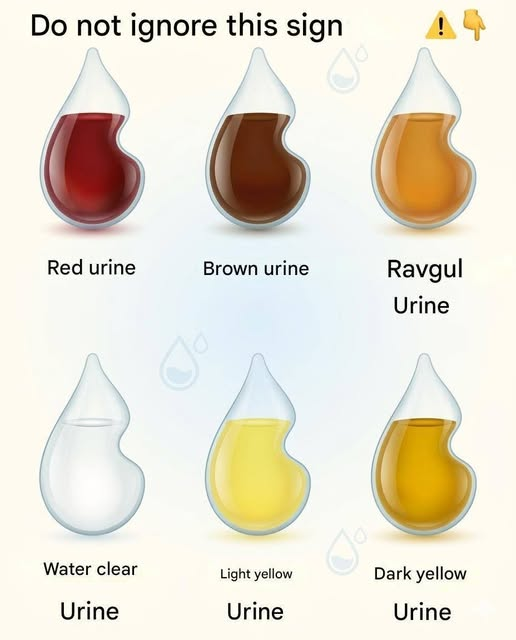
- Red or Pink Urine (Hematuria): If urine appears pink, red, or tea-colored without recent dietary triggers (like beets) or new medications, it may indicate intact red blood cells (hematuria) or free hemoglobin. This requires clinical investigation to evaluate for urinary tract infections (UTIs), kidney stones, enlarged prostate, or bladder pathology.
- Dark Brown or Cola-Colored Urine: Dark brown urine can indicate significant bilirubin accumulation from liver/biliary tract conditions or severe muscle tissue breakdown (rhabdomyolysis) following extreme physical exertion or trauma.
- Clinical Urinalysis and Diagnostics: A simple medical urinalysis using dipsticks and microscopic evaluation can instantly differentiate between innocent dietary pigments, hemoglobin, myoglobin, bile salts, or active bacterial infections.
- When to Seek Medical Care: Consult a primary care physician or urologist if abnormal urine color persists for more than 48 hours, or if it is accompanied by fever, flank pain, painful burning during urination, visible blood clots, or jaundiced (yellowing) skin and eyes.