Part 2: Practical Daily Habits & Debunking Hydration Myths
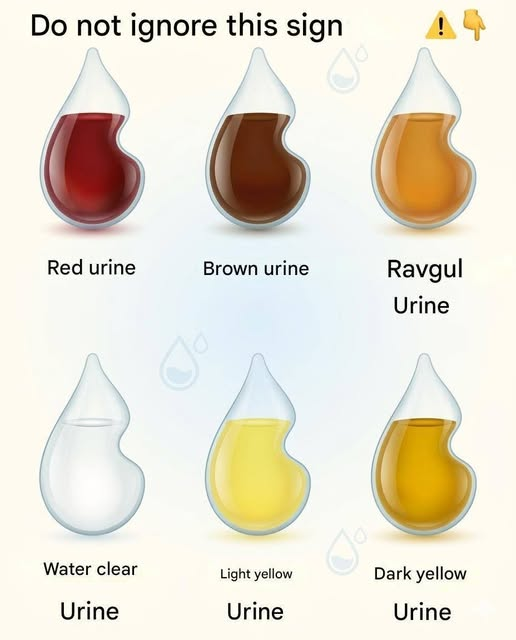
Monitoring urine color can be a useful, low-tech way to assess hydration, but understanding normal physiological ranges prevents unnecessary health panic.
- Target Light Straw to Pale Yellow: Aim for a consistent pale yellow or light straw shade, which indicates optimal hydration. You do not need to chug massive quantities of water to force your urine to be completely clear.
- Recognize Dehydration Signals: Dark yellow or honey-colored urine typically indicates that your body is conserving fluid. Simply drink a glass or two of plain water to restore fluid balance, rather than worrying about kidney damage.
- Avoid Over-Hydration (Water Intoxication): Constantly forcing urine to be completely “water clear” by drinking excessive gallons of water can dilute essential blood electrolytes, leading to hyponatremia (dangerously low sodium levels), fatigue, and confusion.
- Debunking the “Toxin Flush” Fallacy: Viral posts often claim that dark urine is a sign that your body is “retaining dangerous toxins” that require a commercial detox tea. In reality, dark yellow urine merely reflects high concentration of normal metabolic waste being safely excreted by healthy kidneys.
