Part 3: Evidence-Based Clinical & Medical Guidance
While nocturnal drooling is usually benign, chronic mouth-breathing or severe nocturnal choking should be evaluated by medical professionals to ensure optimal sleep quality.
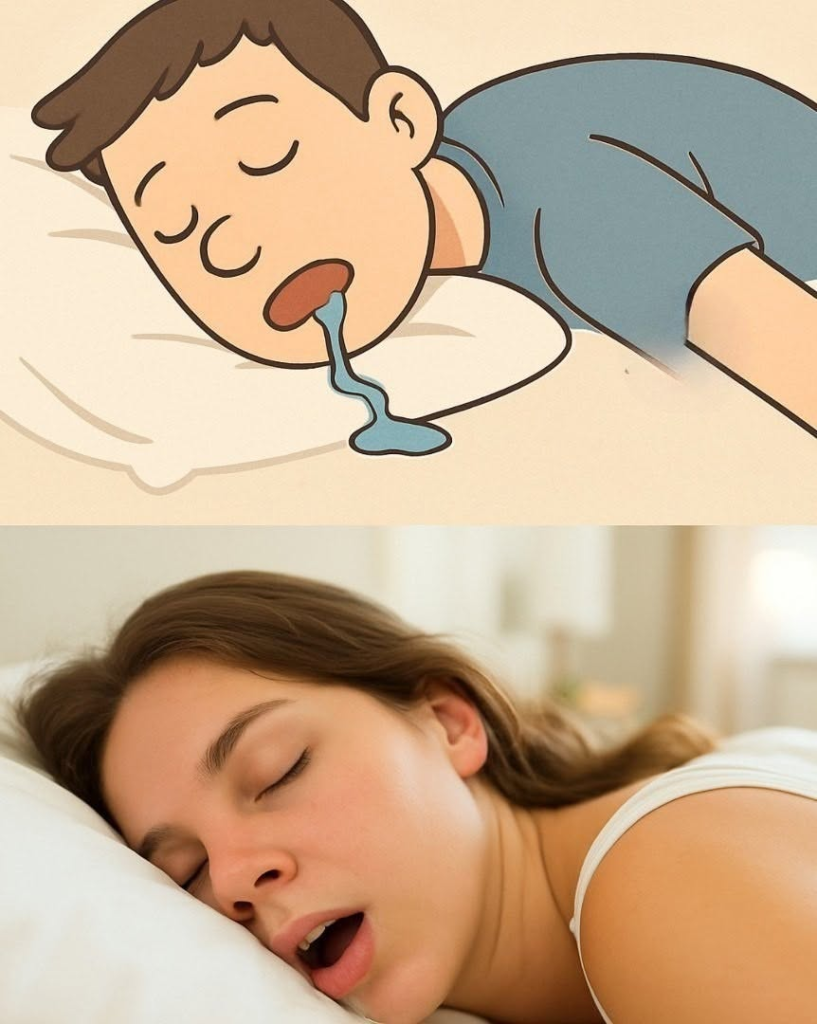
- Evaluating Obstructive Sleep Apnea (OSA): Persistent mouth-breathing and heavy drooling accompanied by loud snoring, morning dry mouth, gasping for air, or daytime fatigue can be an indicator of sleep apnea. During OSA episodes, the upper airway collapses, forcing the brain to wake slightly and gasp for air through an open mouth.
- Clinical Nasal and Airway Treatments: A board-certified otolaryngologist (ENT specialist) can evaluate underlying structural issues contributing to chronic mouth breathing, such as enlarged tonsils or adenoids, nasal polyps, or a deviated septum.
- Addressing Neurological or Gastrointestinal Factors: In rarer cases, persistent excessive drooling during the daytime and nighttime can be associated with gastroesophageal reflux disease (GERD) or neurological conditions that affect swallowing motor control, such as Parkinson’s disease or stroke.
- Consulting Healthcare Providers: If sleep-related drooling begins suddenly, causes skin breakdown/irritation around the mouth, or interferes with restful sleep, consult a primary care physician or sleep specialist for a comprehensive sleep evaluation.