Part 3: Evidence-Based Legal & Boundary Guidance
Navigating real-world property boundary disputes and trespass laws requires adhering to established legal frameworks rather than social media speculation.
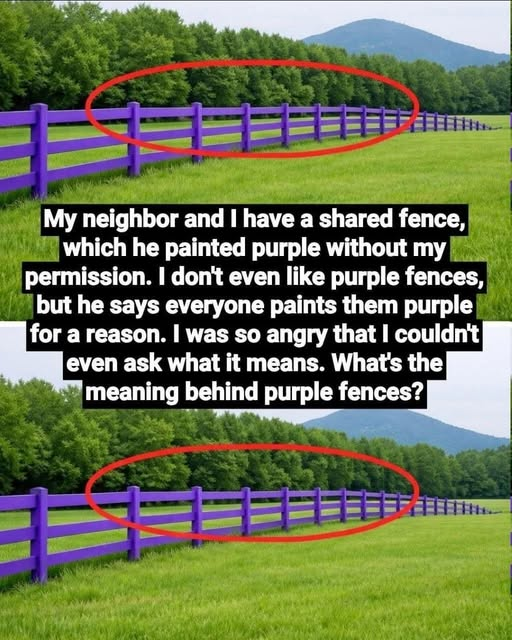
- Statutory Compliance for Boundary Markings: For purple paint to serve as a legal warning against criminal trespass, land owners must follow specific state statutory guidelines regarding paint dimensions, height placement, visibility, and distance interval between marked posts or trees.
- Resolving Shared Fence Disputes: When a neighbor unilaterally alters or paints a boundary structure, property owners should review local “fence viewer” statutes, municipal codes, or Homeowners Association (HOA) covenants. Unresolved disputes over boundary maintenance can be brought to civil mediation or small claims court to establish cost-sharing or restoration responsibilities.
- Legal Implications for Hunters and Outdoor Enthusiasts: Property visitors, hunters, and outdoor recreationalists are legally obligated to recognize purple paint markings as binding notice of private land. Crossing purple-marked boundaries constitutes intentional criminal trespass in jurisdictions enforcing these statutes.
- Seeking Legal Counsel for Encroachment Claims: If a boundary dispute involves contested land rights, unauthorized structural alterations, or property damage, consult a qualified real estate attorney. Legal professionals can issue formal cease-and-desist notices or quiet title actions based on recorded property deeds and certified land surveys.