Part 2: Practical Property Habits & Debunking Boundary Myths
Understanding property boundary markings and landowner rights helps avoid unnecessary neighbor disputes and legal misunderstandings.
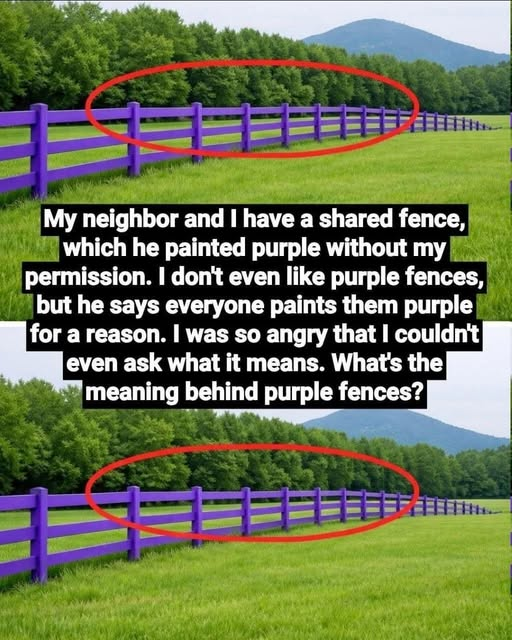
- Recognize Purple Paint Statutes: In states with “Purple Paint Laws” (such as Texas, Arkansas, Missouri, Florida, and others), a vertical line of purple paint (typically at least 8 inches long, placed 3 to 5 feet above the ground on trees or posts) carries the exact same legal weight as a printed “No Trespassing” sign.
- Understand Shared Boundary Fence Rights: A fence situated directly on a legal property line is generally considered a shared asset (a “party fence”). Neither property owner typically has the unilateral right to alter, paint, or demolish a shared fence without mutual agreement or consulting local municipal ordinances.
- Verify Local Property Lines with a Professional Survey: Before marking boundaries or painting property structures, obtain an official boundary survey from a licensed surveyor. Guessing property boundaries based on existing tree lines or old fences frequently leads to legal trespass and encroachment claims.
- Debunking the “Secret Code” Fallacy: Viral posts often claim purple paint signifies secret gang activity, agricultural toxicity, or bizarre property rituals. In truth, purple was chosen by state legislatures simply because it remains vivid against natural foliage and stands out clearly to individuals with common forms of red-green color blindness.
