Part 3: Evidence-Based Geriatric & Dermatological Guidance
Evaluating age-related skin changes and addressing dehydration risks in older adults requires clinical understanding of dermatological aging and metabolic physiology.
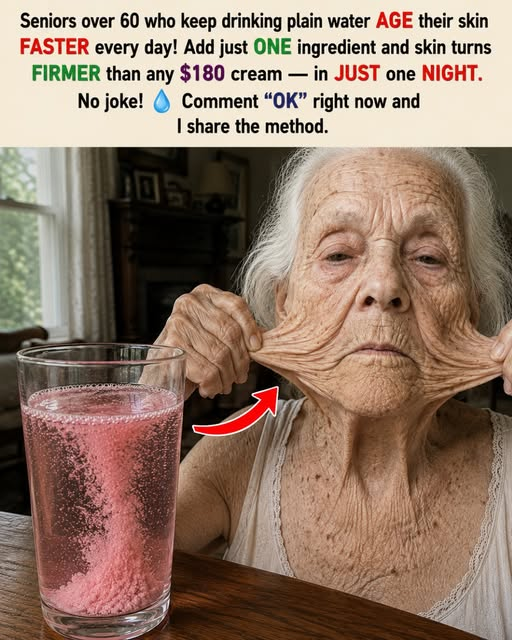
- Understanding Intrinsic Aging and Solar Elastosis: Dermal thinning and loss of elasticity in seniors over 60 stem primarily from intrinsic chronological aging (reduced fibroblast activity and decreased collagen synthesis) and extrinsic photo-aging (UV-induced breakdown of elastic fibers, known as solar elastosis). Managing these changes requires clinical interventions, not short-term dietary hacks.
- Managing Age-Related Thirst Sensation Declines: As individuals age, the brain’s thirst mechanism (mediated by hypothalamic osmoreceptors) often becomes less sensitive, increasing the risk of chronic low-grade dehydration among seniors. Encouraging regular fluid intake—primarily plain water—is crucial for maintaining hemodynamic stability and tissue perfusion.
- Assessing Electrolyte Balance and Supplementation: While certain electrolyte solutions or oral rehydration salts are clinically indicated for severe gastrointestinal fluid loss or intense exercise, adding unmonitored commercial powders, high-sodium mixes, or herbal extracts to daily drinking water can pose risks for seniors with underlying renal dysfunction or hypertension.
- Consulting Healthcare Professionals: Always evaluate persistent skin changes, severe loss of skin turgor, or dietary supplementation regimens with a board-certified primary care physician or dermatologist. Professional clinical consultations ensure safe, evidence-based care tailored to individual health profiles.