Part 3: Evidence-Based Clinical & Dermatological Guidance
When dealing with deep foreign bodies, persistent ingrown hairs, or skin lesions, clinical care ensures safe treatment without secondary complications.
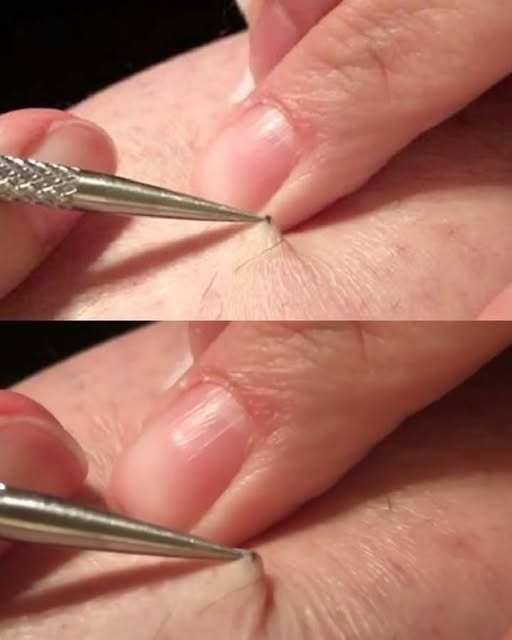
- Handling Pseudofolliculitis Barbae: Chronic ingrown hairs (pseudofolliculitis) occur when curled hairs bend backward and re-enter the skin surface. Dermatologists treat this condition with topical exfoliants (like salicylic acid or glycolic acid) to gently remove dead skin cells and release trapped shafts without manual digging.
- Sterile Minor Surgical Extraction: Deeply embedded wooden splinters, glass fragments, or organic matter can cause foreign body granulomas or deep bacterial cellulitis. Primary care physicians or urgent care clinicians use sterile scalpel tips, localized antiseptics, and magnifying optics to extract debris safely.
- Identifying Atypical Pigmented Lesions: Never attempt to dig, puncture, or scrape away dark spots, raised moles, or atypical skin marks. Doing so can cause severe tissue trauma and delay the diagnosis of real dermatological conditions, such as dysplastic nevi or melanoma.
- Consulting Healthcare Professionals: Seek medical evaluation if an extraction site becomes increasingly red, swollen, hot to the touch, painful, or begins producing purulent drainage (pus), as these are definitive signs of a developing bacterial infection requiring professional treatment or prescription antibiotics.