Part 2: Practical Daily Habits & Debunking Nutritional Myths
Selecting banana ripeness relies on individual metabolic needs, digestive comfort, and athletic timing rather than chasing pseudoscientific miracle cures.
- Choose Slightly Green Bananas for Glycemic Control: Unripe or green bananas contain high levels of resistant starch and dietary fiber. Resistant starch acts as a prebiotic, fermenting in the large intestine to feed beneficial gut bacteria while causing a slower, more gradual rise in blood glucose levels.
- Opt for Ripe Bananas for Quick Pre-Workout Energy: As bananas turn yellow with brown spots, the resistant starch converts into easily absorbable simple sugars. This makes spotted bananas ideal for fast, easily digestible energy immediately before or during intense physical exercise.
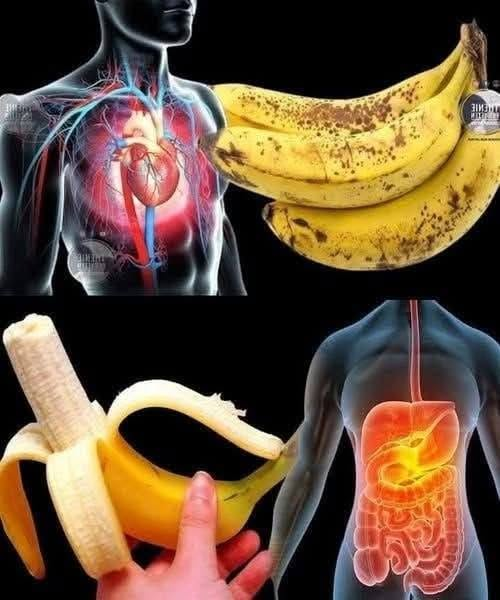
- Maintain Overall Dietary Electrolyte Balance: Bananas are a convenient source of potassium and vitamin B6, supporting normal blood pressure, fluid balance, and muscle function. However, eating bananas alone will not reverse established cardiovascular disease or replace a balanced diet rich in vegetables, legumes, and whole grains.
- Debunking the “Spotted Bananas Cure Cancer” Fallacy: Viral graphics often present brown-spotted bananas as a substitute for medical oncology treatments. Brown spots indicate sugar breakdown and cellular senescence in the fruit peel, carrying no specialized immune-boosting or anti-tumor pharmaceuticals.
