
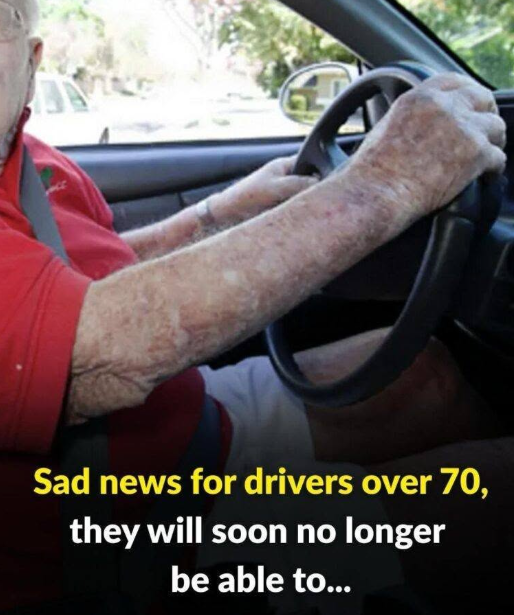
Arthur gripped the steering wheel of his sedan with trembling hands, his knuckles turning stark white against the dark leather.
For decades, the open highway had been his ultimate sanctuary, offering a deep sense of freedom and familiar control.
But today, a heavy, suffocating cloud of anxiety hung inside the cabin as he stared at the official government envelope resting on the passenger seat.
At seventy-two years old, he had always prided himself on his pristine driving record and razor-sharp highway reflexes.
Yet, the subtle changes in his physical coordination over the past few months had begun raising alarming red flags.
He noticed how his forearms grew achy and tired quickly on routine trips, and how evening shadows seemed increasingly difficult to navigate.
The urgent letter from the department of transportation outlined sweeping new medical evaluation mandates specifically targeting aging drivers.
It warned that unaddressed physiological shifts could suddenly strip seasoned motorists of their licenses without warning.
Arthur felt a cold knot tighten sharply in his stomach as he read the strict mandatory testing clauses.
The terrifying thought of losing his car keys and becoming entirely dependent on others felt like a prison cell door slamming shut.
He glanced down at his weathered arms, noticing the fragile skin changes and bruising that relentless time had carved into his body.
Could his physical vessel truly be failing him in ways he had stubbornly refused to admit to his children?
He turned the key in the ignition, deciding to drive straight to a private medical clinic for a confidential evaluation.
As he navigated through the afternoon traffic, his heart hammered heavily against his ribs with a profound sense of impending doom.
What the examining doctor disclosed behind closed doors changed everything he thought he knew about growing older.
Continue reading on the next page.
