Part 3: Evidence-Based Clinical & Dermatological Options
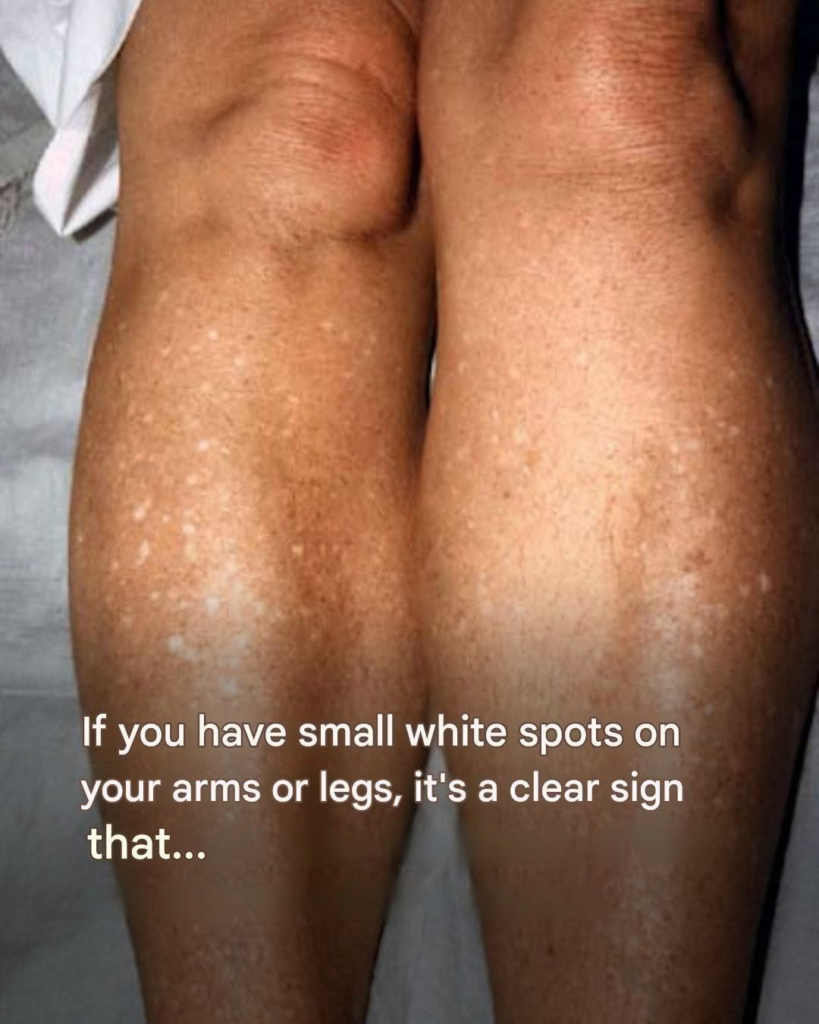
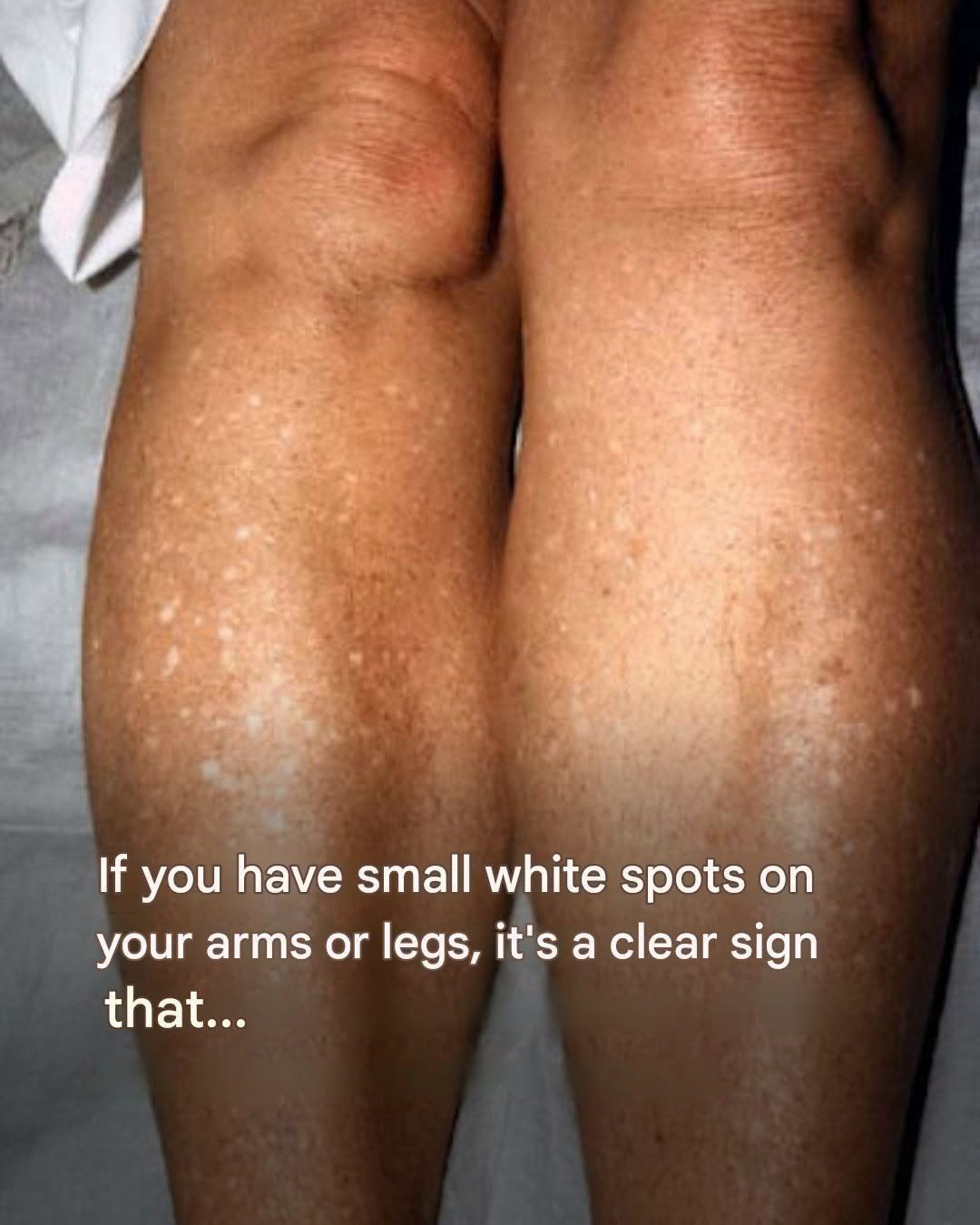
Because IGH is completely harmless and asymptomatic, no medical treatment is required. However, for those seeking cosmetic improvement, dermatologists offer safe, evidence-based options.
- Topical Treatments: Dermatologists may prescribe topical retinoids (such as tretinoin) or topical calcineurin inhibitors (like pimecrolimus) to help stimulate epidermal renewal and encourage partial re-pigmentation in some individuals.
- In-Office Cosmetic Procedures: Clinical treatments like light cryotherapy (brief liquid nitrogen application), microdermabrasion, superficial chemical peels, or fractional carbon dioxide (CO2) lasers can stimulate dormant melanocytes around the edges of the spots to migrate into the depigmented areas.
- Professional Skin Assessment: While IGH is benign, it is important to consult a board-certified dermatologist if white spots rapidly expand, change shape, itch, bleed, or appear alongside other skin changes. A specialist can easily differentiate IGH from other conditions like vitiligo, lichen sclerosus, or post-inflammatory hypopigmentation.