Part 3: Evidence-Based Clinical & Pharmacological Guidance
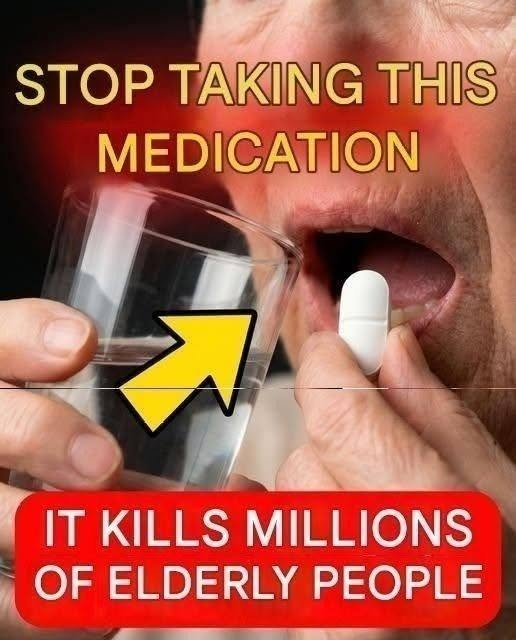
Evaluating real-world pharmaceutical risks in older adults requires nuanced clinical assessment rather than blanket internet hysteria.
- Managing Polypharmacy and the Beers Criteria: In geriatric medicine, clinicians use tools like the AGS Beers Criteria to identify Potentially Inappropriate Medications (PIMs) in older adults. This evidence-based framework guides physicians in safely tapering or adjusting medications that pose elevated risks of falls, confusion, or organ strain in aging bodies.
- Understanding Side Effects vs. Lethality: While certain medications carry risks—such as nonsteroidal anti-inflammatory drugs (NSAIDs) increasing gastrointestinal bleeding risks or sedatives increasing fall risks—these factors are managed through careful dosing, patient monitoring, and risk mitigation rather than panic.
- Deprescribing as a Managed Clinical Process: When a medication is no longer necessary or carries excessive risk for a patient, physicians execute a structured, evidence-based deprescribing protocol. This process involves gradual dose reduction and close clinical monitoring to ensure patient safety throughout the transition.
- Consulting Healthcare Professionals: Always address medication concerns directly with a board-certified physician or licensed pharmacist who understands your complete medical history, lab results, and individual health risks.