Part 3: Evidence-Based Clinical & Hair Care Guidance
Managing aging hair involves practical trichological strategies and informed choices rather than falling for pseudo-scientific psychological diagnoses online.
- Transitioning to Natural Gray Safely: If you decide to stop dyeing your hair, consult a professional colorist. Options like lowlighting, silver balayage, or strategic blending haircuts allow a seamless transition from dyed tones to natural roots without harsh demarcation lines.
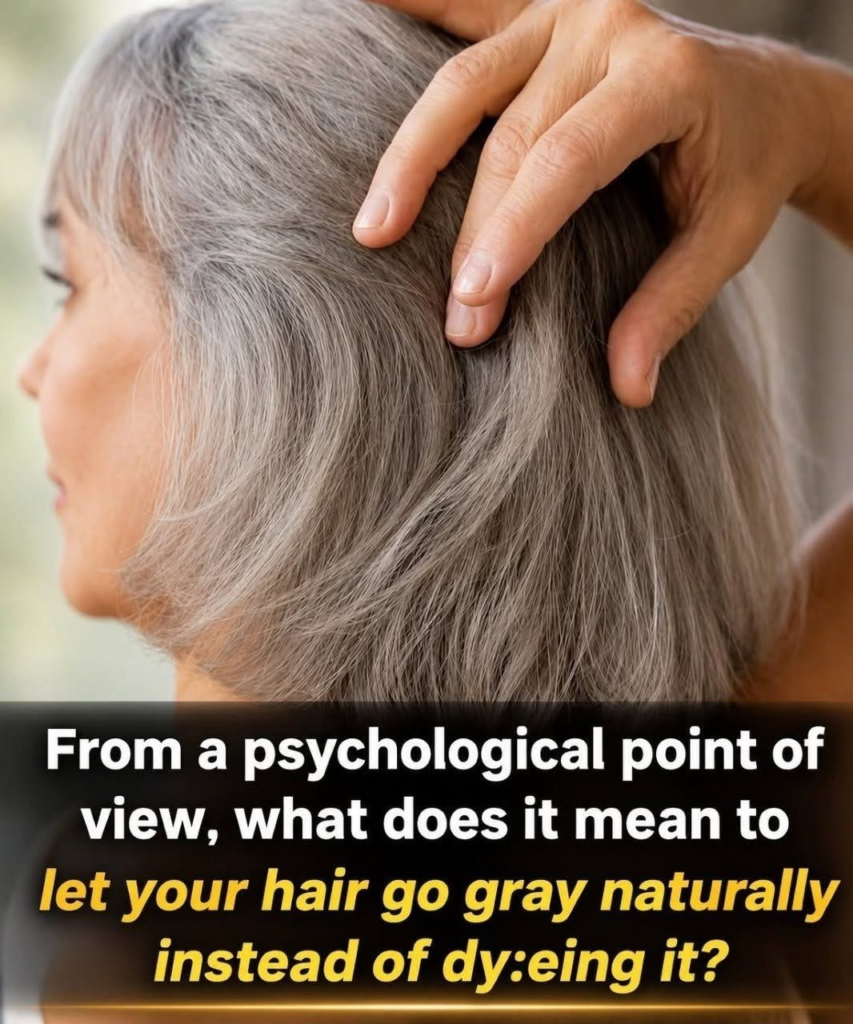
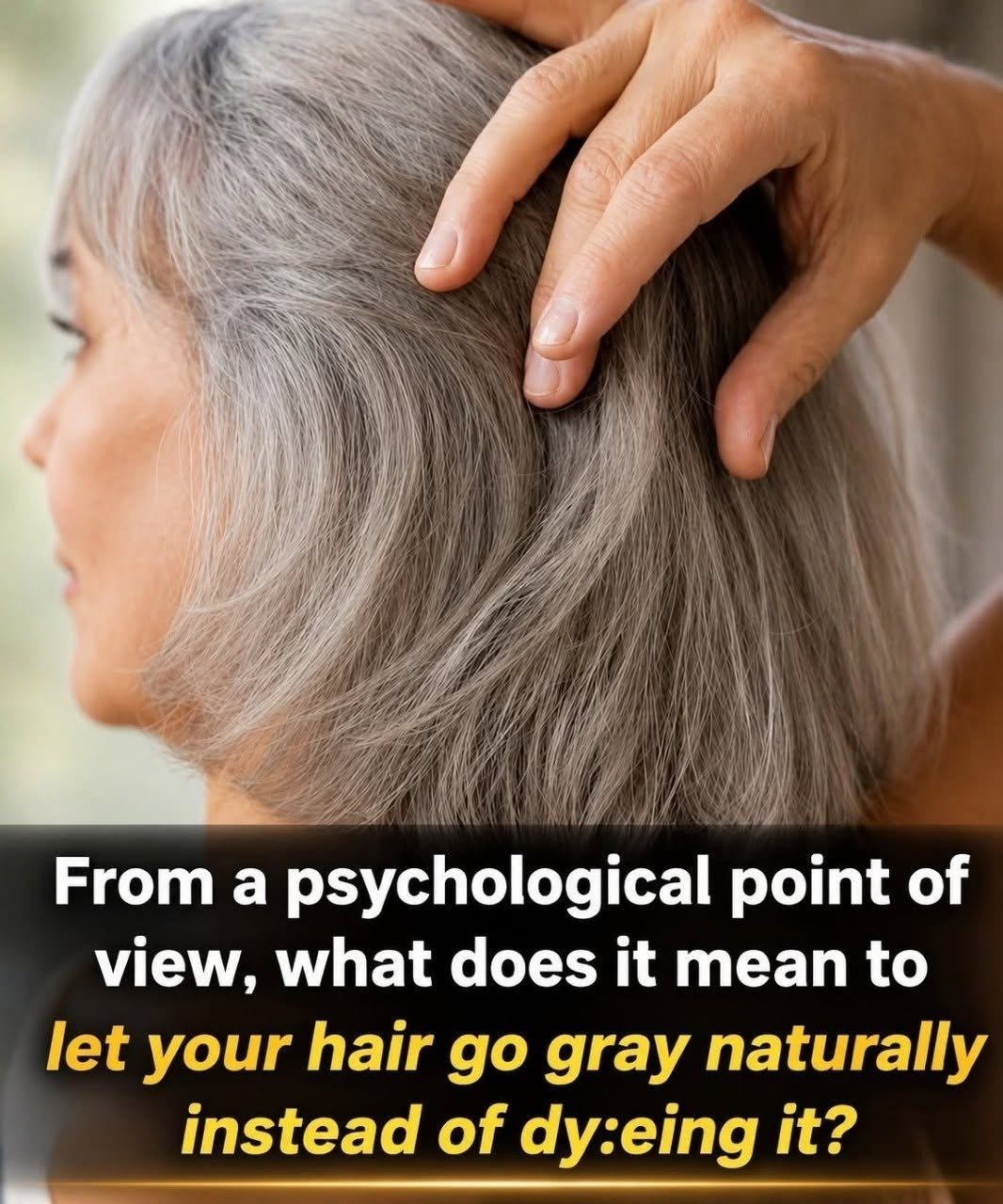
- Gentle Scalp Care for Aging Follicles: As we age, the scalp experiences decreased blood flow and lower lipid production. Use gentle, sulfate-free cleansers and perform regular scalp massages to promote local circulation and maintain a healthy environment for hair growth.
- Trichological and Dermatological Evaluations: If you experience sudden, patchy graying (which can occasionally occur in conditions like vitiligo or alopecia areata) or rapid hair loss alongside color changes, consult a board-certified dermatologist for a comprehensive blood panel to check thyroid function, ferritin, and B12 levels.
- Rejecting Online Age-Shaming: Neither choosing to dye your hair to maintain a youthful look nor letting it go natural reflects a psychological flaw. Prioritize personal comfort, self-confidence, and healthy hair care practices over viral social media commentary.