Part 3: Evidence-Based Clinical & Neurological Guidance
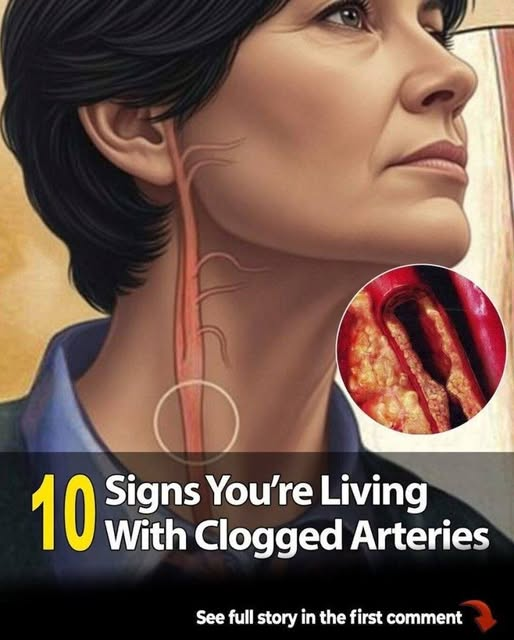
Evaluating carotid artery disease and stroke risk requires standardized clinical diagnostics and evidence-based medical management under professional care.
- Recognizing Transient Ischemic Attacks (TIAs): The first actual clinical symptom of significant carotid artery blockage is often a TIA (a “mini-stroke”). Warning signs occur suddenly and demand immediate emergency care: temporary numbness or weakness on one side of the body, sudden facial drooping, slurred speech, or transient vision loss in one eye (amaurosis fugax).
- Diagnostic Carotid Duplex Ultrasound: Physicians evaluate carotid health using non-invasive carotid duplex ultrasonography. This test uses sound waves to measure blood flow velocity, assess plaque thickness, and accurately determine the percentage of arterial narrowing.
- Medical Management and Lipid-Lowering Therapies: When carotid plaque is detected, clinicians prescribe evidence-based medical therapies—including high-intensity statins to stabilize plaque structure, antiplatelet agents (like aspirin or clopidogrel) to prevent clot formation, and antihypertensive medications to protect vascular integrity.
- Surgical Interventions for Advanced Stenosis: In cases of severe symptomatic stenosis (typically over 70% blockade), vascular surgeons may perform a carotid endarterectomy (physical removal of plaque) or carotid artery stenting to restore unobstructed blood flow to the brain and prevent major ischemic strokes.