Part 2: Practical Daily Habits & Debunking Food Myths
Navigating cruciferous vegetable consumption safely relies on proper preparation, balanced nutrition, and recognizing internet sensationalism.
- Cook Cabbage to Deactivate Goitrogens: Heat inactivates myrosinase (the enzyme that converts glucosinolates into goitrogenic compounds). Steaming, boiling, or sautéing cabbage significantly reduces any potential impact on thyroid iodine absorption while preserving dietary fiber and antioxidants.
- Introduce Fiber Gradually: Like all cruciferous vegetables, cabbage contains complex carbohydrates (such as raffinose) that produce intestinal gas during bacterial fermentation. To prevent mild bloating or flatulence, introduce cabbage gradually into your diet rather than consuming massive raw portions suddenly.
- Maintain Adequate Iodine Intake: Ensure your diet includes sufficient iodine from iodized salt, seafood, or dairy. A well-nourished thyroid with adequate iodine levels is virtually unaffected by moderate, normal culinary consumption of cruciferous vegetables.
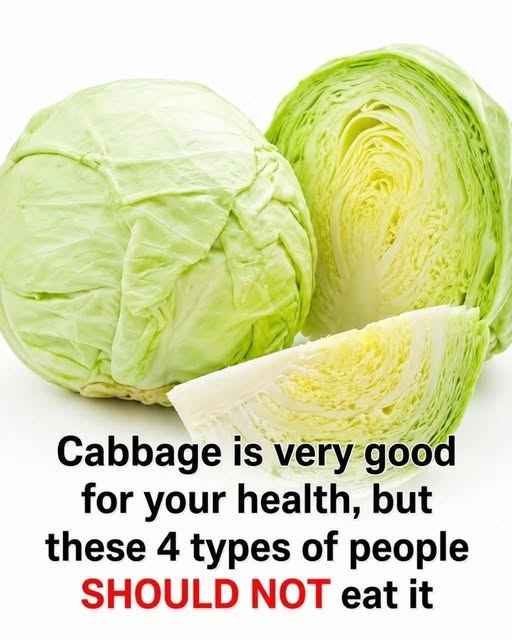
- Debunking the “Cabbage Is Poisonous” Fallacy: Viral graphics often claim cabbage produces “toxic gut sludge” or causes immediate organ failure. In reality, cabbage is a foundational, staple food across global cuisines, supporting healthy digestion and systemic cellular defense.
