Arthur shoved his heavy desk chair backward, the wooden legs screeching harshly against the pine floorboards.
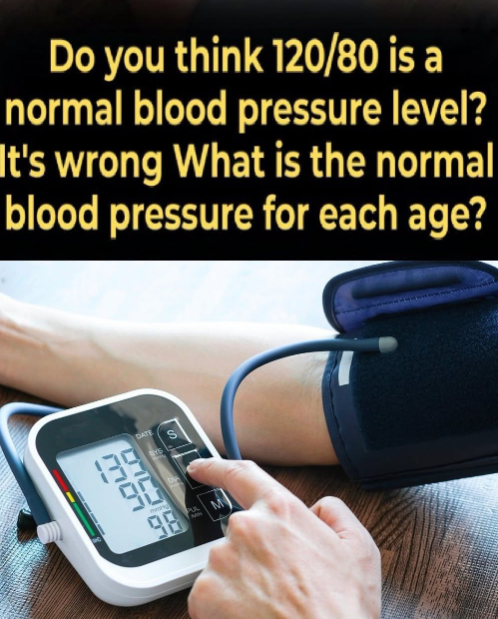
The silhouette outside didn’t retreat; instead, a low digital chime resonated from the speaker grill of his blood pressure monitor.
Amber text rendered sharply across the device’s illuminated LCD panel.
Your age bracket demands an individualized perfusion curve, Arthur, not a rigid statistical average.
Cold dread washed over him as he realized the warning signal originated locally.
A custom micro-transceiver was hardwired inside the nylon velcro lining of his diagnostic cuff.
He grabbed a heavy brass paperweight and crept toward the glass French doors leading to the patio.
Fine frost crystallized the outer glass pane beneath the sharp autumn wind.
He turned the deadbolt with practiced silence, cracking the heavy panel open a mere two inches.
A heavy linen envelope slid across the cedar threshold, landing softly on the woolen rug.
The dark silhouette dissolved into the overgrown perimeter hedge like smoke in moonlight.
He slammed the panel shut, threw the deadbolt, and dropped to his knees.
Inside the envelope lay yellowed parchment watermarked by a defunct nineteen-eighty-seven European longevity research collective.
The handwritten ledger mapped exact systolic and diastolic parameters scaling safely across every decade of human aging.
At age sixty-two, a systolic reading of one-thirty-nine reflected normal vascular wall adaptation rather than crisis.
Blindly chasing universal one-twenty over eighty starves mature brain capillaries of necessary perfusion pressure.
A tucked index card displayed coordinates pointing toward an abandoned municipal water valve station three miles away.
The final handwritten line carried an unambiguous ultimatum.
Continue reading on the next page.
