Part 3: Evidence-Based Clinical & Dermatological Guidance
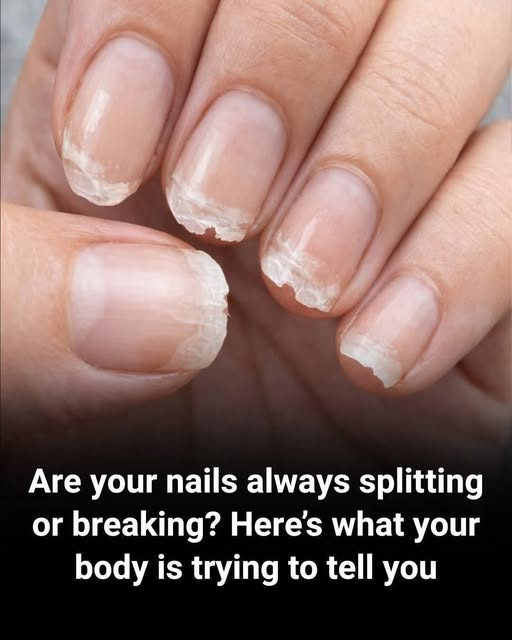
While environmental damage is the most common cause of nail splitting, persistent nail changes can occasionally stem from medical conditions or age-related factors.
- Biotin and Topical Hardening: Dermatologists may suggest biotin (vitamin B7) supplementation for individuals with confirmed deficiencies or thin nails, as well as breathable topical strengtheners. However, excessive use of harsh, formaldehyde-based nail hardeners can actually make nails stiffer and more prone to snapping.
- Thyroid and Nutritional Factors: Chronic nail fragility that does not respond to topical care can sometimes be associated with hypothyroidism, iron-deficiency anemia, or severe protein malnutrition. A standard blood panel ordered by a primary care physician can rule these out quickly.
- Differentiating Fungal Infections (Onychomycosis): If splitting is accompanied by thick, yellowed, crumbling, or lifted nail beds, the issue may be a fungal infection rather than simple dryness. This requires a targeted evaluation and prescription antifungal treatment from a dermatologist.
- Consulting a Specialist: Seek a professional evaluation if nail breakage is accompanied by red or swollen skin around the nail fold, painful lifting of the nail bed (onycholysis), or sudden dark discoloration running under the nail plate.